Built by ranchers

One record per animal. Birth to the trailer.

Rangely keeps the whole life of every head you own — and tells you how much grass is actually in front of them, and when to move.

Free to join · Bringing on a small group of ranchers first

Good morning
Saturday · 74°F, clear
Grass ration · Back Gully
6 days of feed
Rest to ready19 d
Learned from your readings
Herd
R204 · Angus heifer842 lb
Gain2.4 lb/day
On track for finishNov 3
Needs a look
Y118 hasn't come to water2 d
TodayHerdHealthPastureFence
The way it works now

Your herd lives in a notebook, a spreadsheet, and your head.

Every rancher I know runs on some combination of the three. It works right up until it doesn't.

01

The record dies with the page

Weights, treatments, who her dam was — scattered across notebooks and calving records. When you sell her, the history doesn't go with her.

02

Grass is a guess

You know roughly what a paddock holds. But "roughly" is the difference between moving on time and grazing it into the dirt.

03

The software isn't built for you

It's either enterprise gear priced for a feedlot, or a toy. Nothing in between for an outfit that still knows its cattle by sight.

What Rangely does

A record that lasts a lifetime, and a grass engine that learns your ground.
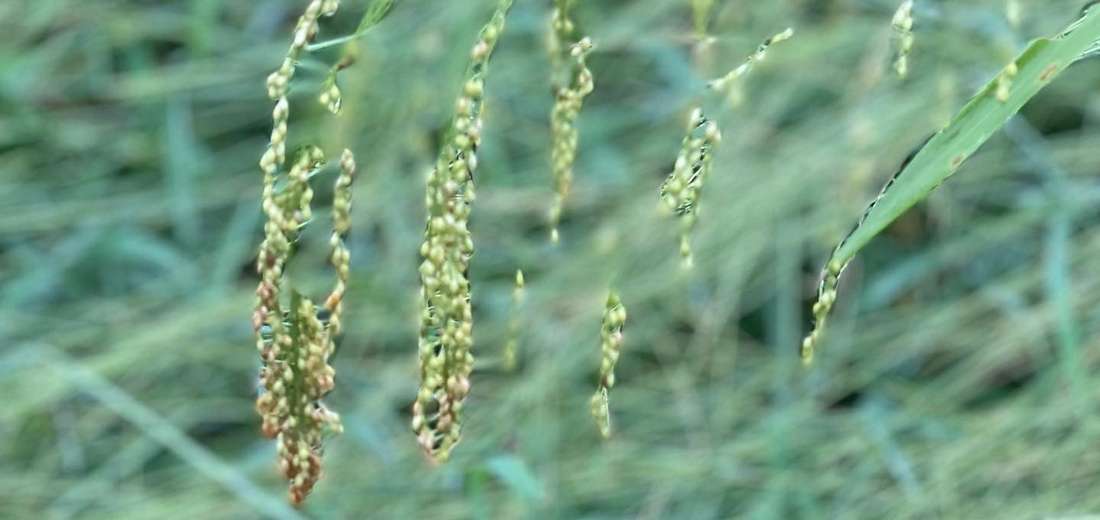
Close-up of bahiagrass seedheads in a Florida pasture
The herd record

Every animal, her whole story

Add her at birth or bring her history in when you buy her. Weights, sire and dam, treatments, breeding, notes, photos — one timeline that keeps growing and goes with her when she sells.

Free
Tags & compliance

840 EID, handled

Scan a tag and her record opens. Electronic ID stays attached to the animal, so lab results and movement records land on the right head — not the wrong one.

Free
Grass ration

How many days of feed are really out there

Log cover with an eyeball call as you move cattle in and out. Rangely turns your readings into your paddock's real regrowth rate — and tells you when each one is ready again.

Pro
Rotation planning

The plan proposes. You approve.

It ranks paddocks by what's actually ready and lays out the next moves with the reasoning behind each one. Nothing happens until you say so.

Pro
Gain & market

Weights turned into a sell date

Real average daily gain from her weigh-ins, a projected finish date, and a load-out calculator that prices the trailer with shrink taken out.

Pro
The data profile

Genetics, carcass, bloodwork

EPDs and genomic status, ultrasound scans, carcass results, and lab work that flags anything out of range. The record a seedstock or freezer-beef buyer wants to see.

Pro
Membership

Free, always — when it's ready.

The lifelong record will always be free — that's the part every operation needs, and it shouldn't sit behind a paywall. We're building it now. Pricing for Pro will scale with herd size, so a twenty-cow outfit and a two-thousand-head place won't pay the same.

Building now
Herd Record
Freealways free, once live

The core record we're building first. Join the list and you're first to use it the moment it's ready.

  • Lifelong record for every animal
  • Birth, parentage, sire & dam
  • Weights and full life timeline
  • 840 EID recorded — no reader required
  • Health checks and notes
  • Photos on every head
  • Paddocks with mapped acreage
  • Cover logging & days of feed
  • Your data, exportable, always
Join the list
On the roadmap
Integrations
Laterworks with gear you own

We don't build hardware. These connect Rangely to equipment and data you already have.

  • EID reader & wand integration
  • Virtual fence collars
  • Drone & satellite pasture data
  • Live market price feed
  • Direct lab result delivery
  • Team roles & permissions
  • Hands-free voice logging

Built in the order ranchers actually ask for them. Join the list and you get a say in that order.

See how it works

A look at what you'd be using.

This is an early working version running on sample cattle — a preview, not the finished product. It resets when you reload, and real accounts with saved data are exactly what we're building now. Early access members get that first.

Who it's for

Operations that still know the animal.

Most outfits wear more than one hat at once. Rangely doesn't make you pick a lane.

Cow-calf

Calving records, parentage, weaning weights, and grazing rotation — the working core of the operation, from twenty head to two thousand.

Boutique & direct-market

Finishing for the freezer trade, where gain, carcass data, and a provenance story your buyer can actually read are worth real money.

Seedstock

EPDs, genomics, and pedigree that travel with the animal — so when you sell her, the buyer gets the whole record, not a scanned page.

The one place it isn't a fit: feedlot and commodity work, where cattle move as a lot instead of as animals.

Heritage

This didn't start with a company. It started with a lost notepad.

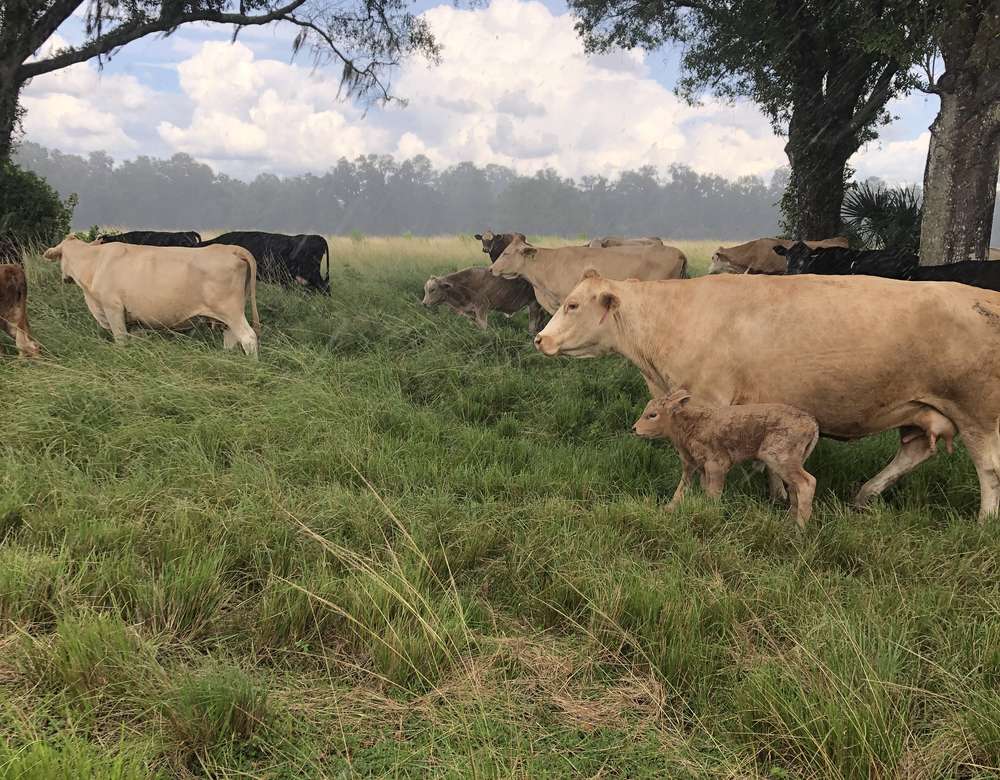
Cattle grazing under live oaks during a summer rain

Our family came down from Iowa and started running cattle in Florida in the early 1930s. The same ground has been in the family for close to a hundred years now. Plenty has changed across those decades — the markets, the equipment, the weather, who's in the saddle — but the loyalty to this land and this way of life hasn't.

This project started with my dad and a notepad. He kept every herd record in a little book he carried with him — weights, breedings, treatments, which cow threw which calf. The trouble was he'd lose it. Set it down somewhere, leave it in the wrong truck. So by the time we were working cows, the record was whatever he could remember.

And it worked, mostly. He had a good memory and he knew his cattle. But a memory doesn't transfer. It doesn't go with an animal when she sells, it doesn't help the next person working the chute, and it can't tell you how much grass is standing in the back paddock. Those are solvable problems now.

There are hundreds of thousands of operations like this across America — families who've kept the same ground in cattle through droughts, hurricanes, bad markets, and better offers from developers. Most of them are still running the whole thing out of a notebook and a good memory.

That's not a failure of the people. It's a failure of the tools. Everything built for this industry got built for the biggest operations, priced for the biggest operations, and designed by people who've never had to sort cattle in the rain.

Rangely is for the rest of us. The grass engine exists because "move them Tuesday" was always a guess. The lifelong record exists because cattle get bought whose whole history shows up as a photocopied page, if at all. It gets tested at the trailer and at the chute — if it doesn't work with cold hands and one bar of signal, it doesn't ship.

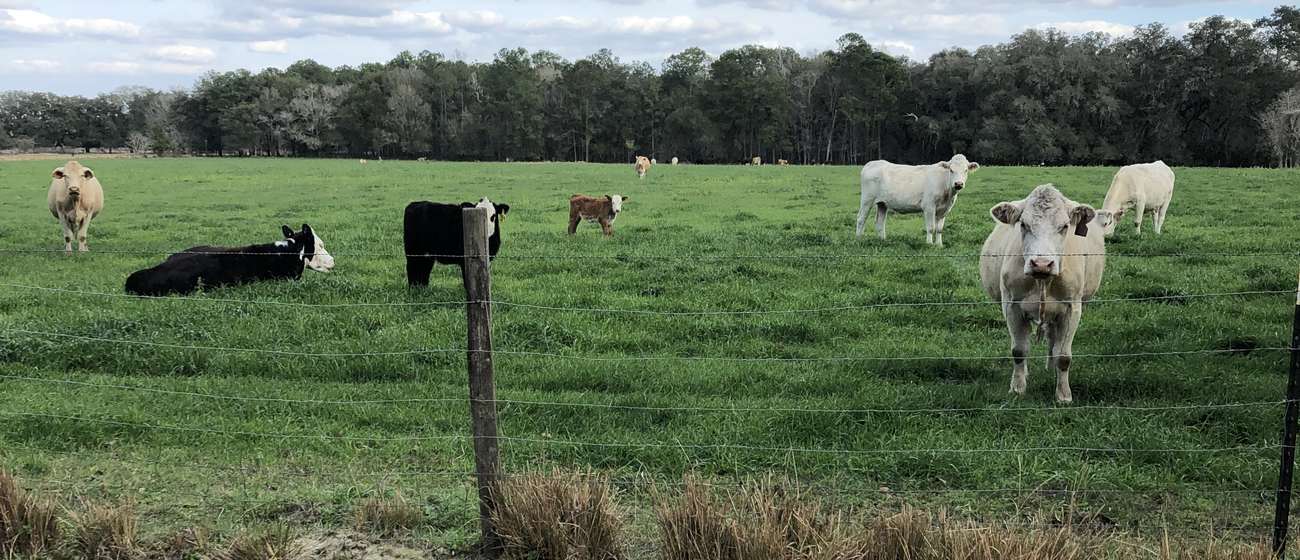
Cattle behind a wire fence line on a clear day
Cow-calf · boutique & direct-market · seedstock — any herd size
Resources

Worth knowing about, and free.

Public resources that help ranchers run better operations. We're not affiliated with any of them — they're just genuinely useful and most people don't know they exist.

Rangely is not affiliated with, endorsed by, or sponsored by any organization listed here. Links are provided for convenience only.

Field notes

What we're learning, written down.

Grazing, records, tags, and the business of running cattle — from someone doing it, not writing about it.

Glossary

Plain definitions, if you want them.

Cover, residual, ADG, EPD, shrink, NDVI — 70-odd terms explained the way you'd explain them at the gate. Useful if you're newer to running cattle, or if you just want to know exactly what we mean by a word.

Open the glossary
  • CoverHow much grass is standing, in pounds of dry matter per acre.
  • ResidualWhat you deliberately leave behind so it grows back properly.
  • ShrinkWeight lost between your scale and the buyer's — it comes out of your check.
Questions

Straight answers.